
Explore Related Nursing Specialties

What It Takes to Be a Cardiovascular Nurse
Cardiac Nurse Career Overview
Where you’ll work: Hospital cardiac intensive care units or post-operative units, cardiovascular centers, private physicians’ offices and home health agencies.
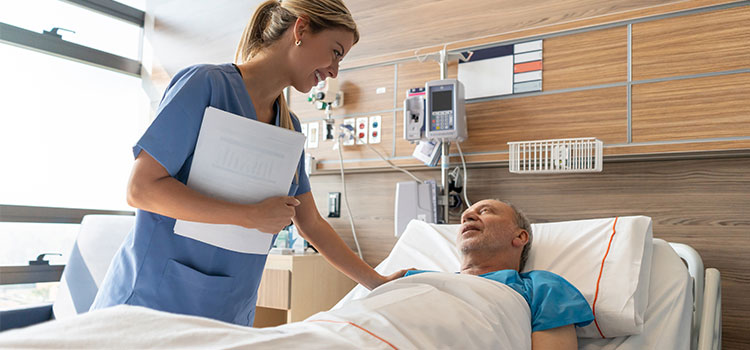
What you’ll do: Under the direction of a cardiologist, cardiovascular nurses treat patients with a variety of heart problems including heart disease, stroke, heart failure and more. They also help patients recover from surgeries and educate patients on lifestyle changes that can keep their heart healthy.
Minimum degree required: ASN or BSN, though many employers prefer or require nurses to have a BSN or higher.
Who it’s a good fit for: Cardiovascular nurses should be able to think quickly and work well under pressure, since their patients’ conditions can change so quickly. They should also be very detail oriented because treatment plans can be complex.
Job perks: The specialized skills needed to be a cardiovascular nurse are highly sought after by employers, putting these jobs in high demand.
Opportunities if you pursue a higher degree or certification: There are several certifications available to cardiovascular nurses after they have gained some experience in the field. Having a certification can make you a more competitive applicant and possibly lead to a higher salary.
Median annual salary: $97,550
Cardiovascular nurses specialize in the care, treatment, and rehabilitation of patients with heart disease, a condition that ranks as a leading cause of death in the United States. You’ll work with a range of patients, from individuals recuperating from surgery to others who are critically ill.
In This Article
How to Become a Cardiovascular Nurse | Job Description | Where You’ll Work | Education | Online Programs | What to Look For in a School | Licensure | Gain Experience | Cardiovascular Nurse Certification | Salary and Job Outlook
Learn How to Become a Cardiovascular Nurse
Follow these steps to pursue a career as a cardiovascular nurse.
Decide if cardiovascular nursing is the right career for you.
Contact cardiovascular nurses through professional associations, social media, or your local hospital to learn more about the role and possibly get a firsthand perspective by shadowing a cardiovascular nurse. This can be an intense specialty, so you’ll want to be sure it’s right for you.
Determine what education you’ll need.

Since you can become a cardiovascular nurse with either an Associate Degree in Nursing (ADN) or a Bachelor of Science in Nursing (BSN), find out what local employers prefer and what you need to achieve your goals. An associate degree generally takes two years to complete and a BSN four years, so time and finances could figure in your decision.
Graduate from an accredited nursing program.

Whether you choose an ADN or a BSN, you’ll need a degree from an accredited nursing program to qualify for a nursing license, specialty certifications, and advanced degrees. Attending an accredited school also will allow you to apply for federal financial aid.
Get licensed as a registered nurse (RN).

You must meet your state’s license requirements, which typically include passing the national nursing licensure exam and a background check. Test prep materials are available for the exam.
Consider earning a cardiovascular nurse certification.

After gaining nursing experience, think about earning a cardiovascular nurse certification. This professional credential demonstrates deep knowledge and skills in your specialty and may open doors to jobs and higher pay.
What Is a Cardiovascular Nurse and What Do They Do?
Cardiovascular nurses care for patients with heart disease and work with their families to improve and maintain their health.
“Cardiovascular nursing is woven into every aspect of nursing because all our patients have hearts, and therefore, they all have the potential to develop complications like cardiovascular diseases,” says Joanna Dagenais MSN, RN, CCRN-K, clinical education director for the Preventive Cardiovascular Nurses Association (PCNA).
Cardiovascular nurses treat patients with a variety of conditions, including:
Cardiovascular nurses educate patients about their condition and lifestyle changes that are crucial to a patient’s recovery and long-term health. They can serve as a point person, providing assessments and updates to physicians, patients, and families during a long hospital stay.
Responsibilities of a Cardiovascular Nurse
While your role will vary depending on where you work, here are some common responsibilities of a cardiovascular nurse:
Health assessments. You’ll evaluate a patient’s medical history, existing condition, and symptoms.
Medications and treatments. This includes inserting and removing a patient’s IVs and chest tubes.
Postoperative care. You’ll observe patients to prevent or treat complications such as infection, heart attack, and blood clots.
Rehabilitation. This can include exercise and other lifestyle changes that a patient must make to recuperate from a serious cardiac illness or surgery.
Education for patients and families. This is a key component in helping a patient improve and maintain their heart health.
Is Cardiovascular Nursing a Good Fit for You?
Consider your preferences and strengths against traits and skills that can help a cardiovascular nurse succeed:
Ability to work well in stressful situations
A cardiac patient’s condition can change quickly and require immediate lifesaving treatment.
Detail-oriented
Many cardiovascular patients require complex treatment plans. “It’s important to be able to do a thorough assessment so you can build on that and see when changes are occurring,” says Dagenais.
Excellent communication skills
A cardiovascular nurse must be able to effectively communicate observations and concerns to others on a patient’s care team because the even smallest changes can require changes in care. Nurses must also be able to talk with a patient’s family at difficult times.
Where You’ll Work
Most cardiovascular nurses work in hospitals. “Within the hospital, you could work in general care, progressive care, or critical care and specialize in cardiology,” says Dagenais. “Other areas, such as a cardiac catheterization lab, can allow you to work with both inpatients and outpatients.”
Your role can depend on where you work in a hospital.
A Day in the Life of a Cardiovascular Nurse
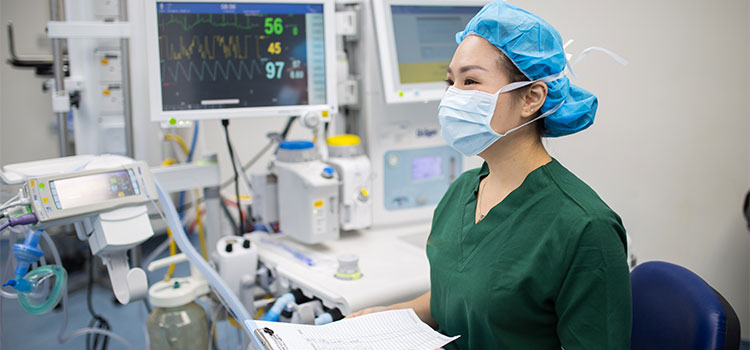
A cardiovascular nurse typically begins their day with an update on the patients who will be under their care. Next, they’ll check patient vital signs and lab work to determine whether any need urgent care.
Throughout the day, they’ll monitor patients and relay any changes to their care team. If a physician orders changes in treatment, the nurse will manage them.
“The cardiovascular specialty nurse will see a patient holistically and they’ll treat every part of a patient’s condition,” says Dagenais. “While cardiovascular is a specialty, you will have patients that have other conditions like renal function disorders, endocrine disorders like diabetes, and the need for many tests and procedures that may occur in the acute care setting.”
You’ll need to manage your time so you can provide all of your patients with quality care, which could include administering medication, inserting or removing chest tubes, and changing dressings.
Education to Become a Cardiovascular Nurse
It’s important to consider your goals when you decide whether to pursue an associate degree or a BSN.
“The BSN programs offer more training and practice in critical thinking, which is crucial in a cardiovascular nursing specialty,” says Dagenais. “So, a BSN program may potentially provide you with the foundation you need to hit the ground running in your first position.”
Compare these degrees to determine which one may be right for you.
Associate Degree in Nursing
Prerequisites vary by program but could include:
- High school diploma or GED
- Coursework in biology and algebra
- Professional and/or academic recommendations
- Interview
- Test scores from the SAT or ACT
- Passing score on the HESI Admissions Assessment (A2) Exam
Core nursing curriculum:
- Microbiology and immunology
- Introduction to the nursing profession
- Pediatric nursing
- Geriatric nursing
- Nursing health assessments
Clinical requirements:
ADN programs generally require 700-800 clinical hours, but many include more based on state requirements. You’ll typically do clinical work in a variety of locations, such as skills and simulation labs and rotations at a hospital or clinic.
Time to complete: 2 years full time
Bachelor of Science in Nursing
Prerequisites vary but could include:
- High school diploma or GED
- Advanced coursework in biology math
- Professional and/or academic recommendations
- Interview
- Test scores from the SAT or ACT
- Passing score on the HESI Admissions Assessment (A2) Exam
Core nursing curriculum:
- Professional nursing
- Introduction to the nursing profession
- Leadership
- Nursing management
Clinical requirements:
Like ADN programs, 700-800 hours of clinical training are required, though many programs include more. You’ll get these hours training in hospitals or clinics, working in simulation labs, and possibly through community service.
Time to complete: 4 years full time or 2 years if you already have an ADN
Online Programs
There are online nursing programs for an ADN and a BSN. An online program can help you pursue your education while giving you the flexibility you need to meet family or work responsibilities. While you’ll be able to complete much of your coursework online, you’ll need to do your clinical work in person.
An online program can help you pursue your education while giving you the flexibility you need to meet family or work responsibilities.
Some online programs also allow you to complete your degree at your own pace outside of traditional semesters.
What to Look for in a School
When you choose a nursing program, you’ll want to consider its location, cost, student-to-faculty ratio, and curriculum. It’s also important to consider these factors.
School and program accreditation. A degree from an accredited nursing school is necessary to qualify for licensure and professional certifications, and to apply for federal financial aid.
Job placement and career counseling. Having access to strong job placement and career counseling services can help you figure out career goals, network with healthcare professionals, connect with mentors, and find your first job.
The first-time pass rate for students who took the nurse licensing exam in the most recent academic year. A high first-time pass rate may indicate that graduates have received a strong education.
Licensure
After graduating, you’ll have to obtain an RN license from your state board of nursing to practice. To qualify for state licensure, you must pass the National Council Licensure Examination (NCLEX-RN) administered by the National Council of State Boards of Nursing (NCSBN).
Here’s what’s involved in taking the NCLEX-RN:
Format: The test is multiple-choice, with some fill-in-the-blank, multiple-response, and drag-and-drop-style questions. It’s administered in a “computer adaptive” format that determines each question you receive based on your answer to the previous question. If you respond correctly, your questions increase in difficulty. If you respond incorrectly, the next question is slightly easier.
Knowledge tested:
Number of questions: Minimum of 75 and maximum of 265, based on individual performance
Time: 5 hours
Test prep resources: The NCSBN offers a practice NCLEX-RN exam and lists other resources on its website, including flashcards, review courses, and study groups.
After you pass the NCLEX-RN, you’ll apply to your state board of nursing for a license. In addition to passing the exam, many states also require a background check, fingerprinting, and professional references.
Gain Experience
After you graduate, you’ll have the foundation to be a cardiovascular nurse. “From the time they’re in nursing school, nurses will be looking at the cardiovascular system in every assessment that they do, so we all have experience with cardiovascular systems even when we’re fresh out of the gate in our nursing careers,” says Dagenais.
Typically, new nurses are encouraged to gain general experience before specializing. But the current demand for nurses has changed that in some places.
“The inpatient hospital setting has never needed nurses more at every single level,” says Dagenais. “So, this is an exciting time to join the nursing field because a lot of hospitals that may have previously wanted experience before their nurses could move to progressive care or critical care units are now open to exploring taking people in and giving them more training on the front end to make them competent for those roles.”
Typically, new nurses are encouraged to gain general experience before specializing. But the current demand for nurses has changed that in some places.
However, she says this generally doesn’t apply to roles in outpatient settings. “Nurses in outpatient settings like clinics and medical offices usually require experience to get those positions,” says Dagenais. “If that’s your passion, you may have to choose another avenue until you get the experience that’s needed.”
Certification
Professional certification is an optional credential for cardiovascular nurses, but it could be worthwhile. Certification demonstrates deep knowledge and skills in a field. “A hiring manager is typically impressed if a candidate is certified,” says Dagenais.
There are several certifications for cardiovascular nurses, so you can pick one that will help you reach your career goals.
Cardiac Vascular Nurse – Board Certified (CV-BC)
Who Grants It: American Nurses Credentialing Center (ANCC)
What It Is: Certification of entry-level clinical knowledge
Who It’s For: Registered nurses
Requirements:
- An active RN license
- 2 years of experience
- A minimum of 2,000 hours of clinical practice in cardiovascular nursing within the last 3 years
- 30 hours of continuing education in cardiovascular nursing within the last 3 years
Exam and Prep: The CV-BC exam is three hours and consists of 150 questions. Free test prep questions and references for fee-based test prep are available on the ANCC website.
Cardiovascular Nurse-Level I and Level II (CVRN-BC Level I and Level II)
Who Grants It: American Board of Cardiovascular Medicine (ABCM)
What It Is:
- CVRN-BC Level I is for non-acute cardiovascular nursing.
- CVRN-BC Level II is for acute care.
Who It’s For:
Level I is for nurses in telemetry, PCU, post-procedure, cardiac rehab, or office-based positions.
Level II is for nurses in acute care areas such as CCU/CVICU, cath labs, and interventional cardiology.
Requirements:
Recommended before taking the exam:
- For Level I, 1 year of practice in non-acute care
- For Level II, 2 years of practice in acute care
Exam and Prep: Each exam consists of 150 questions, administered online via a home computer with a built-in webcam. On-demand cardiovascular nursing courses and review manuals are available on the ABCM website for a fee.
Board Certified in Cardiac Medicine (CMC), Cardiac Surgery (CSC)
Who Grants It: American Association of Critical-Care Nurses (AACN)
What It Is: Subspecialty certifications in critical care for cardiovascular nursing
Who It’s For:
- CMC is for RNs caring for acutely/critically ill adult cardiac patients.
- CSC is for RNs caring for cardiac surgery patients in the 48 hours after surgery.
Requirements:
- An active RN license
- A separate certification in clinical nursing
For both CMC and CSC, a nurse must meet one of the following:
- 1,750 hours of caring for acutely/critically ill adult patients during the previous two years
- Practice as an RN for at least five years with a minimum of 2,000 hours in direct care of acutely/critically ill adult patients
Exam and Prep:
Both exams consist of 90 multiple-choice questions that focus on clinical judgment. They are administered via computer at a testing center or via live remote proctoring. Free and fee-based test prep is available on the ANCC website.
Certified Cardiac Rehabilitation Professional (CCRP)
Who Grants It: American Association of Cardiovascular and Pulmonary Rehabilitation (AACVPR)
What It Is: Proves competency in cardiac rehabilitation
Who It’s For: Professionals with experience in cardiac rehabilitation/secondary prevention
Requirements:
- 1,200 clinical hours in cardiac rehabilitation/secondary prevention
- Bachelor’s degree from an accredited program or current RN licensure
Exam and Prep:
The three-hour exam consists of 140 multiple-choice questions. The CCRP exam is administered via computer at a testing center or via live remote proctoring. Fee-based resources for test prep are available on the ANCC website.
Cardiac Nurse Salary
The annual median salary for all RNs is $97,550, according to the U.S. Bureau of Labor Statistics. Take a look at median salaries by state and earning percentiles:
While the BLS doesn’t report RN salaries by specialty, earning a BSN and professional certification may increase your earning potential. Your place of employment, where you live, experience, and other factors can also influence how much you earn.
While the BLS doesn’t report RN salaries by specialty, earning a BSN and professional certification may increase your earning potential
Job Outlook
According to the BLS, job growth for all RNs is expected to average 5.6% through 2034, slightly above the average rate for all occupations.
The demand for nurses is expected to grow as many current nurses retire and the number of older adults, who tend to need more healthcare, increases. As a cardiovascular nurse, you’ll likely work with many people in this age group.
“Nurses at every level and in every setting are in extreme need right now,” says Dagenais. “General care cardiovascular floors are always in need of nurses.”