
Which Nursing Speciality Is Right for You?
Explore these trending nursing careers and see where your degree can take you.
If you see yourself in the wide world of nursing, or are looking to advance your nursing degree, there’s a field that meets your interests—and needs your skills and passion. With dozens of specialties available, the nursing career path you select depends on whether you’re looking for an entry-level position, an executive role, or something in between—and what level of education you want to pursue. Our guide to the top nursing specialties available, as well as the potential outlook for trending careers, can help focus your search.

Put Your Passion to Work
While the following list of nursing specialties is by no means all-encompassing, it can give you an idea of the different areas you can pursue. Most of these specialties could also be pursued as an advanced practice path. Many of these nursing careers have some overlap in setting and duties, and they also offer the opportunity to break the standard perceptions of what nurses do and redefine the importance of the role in the home and community, and not just the hospital.
Or, if you know what area of nursing you’d like to pursue and you’re ready to start researching nursing schools that can help you apply your skills and passion for helping all kinds of people, click the Find Schools button below.
Administrative, legal and workplace nursing
All types of environments outside the hospital or clinic need nursing expertise. You can make a difference in the courtroom, at the crime scene or in victim advocacy, the classroom, and even the corporate working world in these nursing roles.
Advanced Practice Nurse
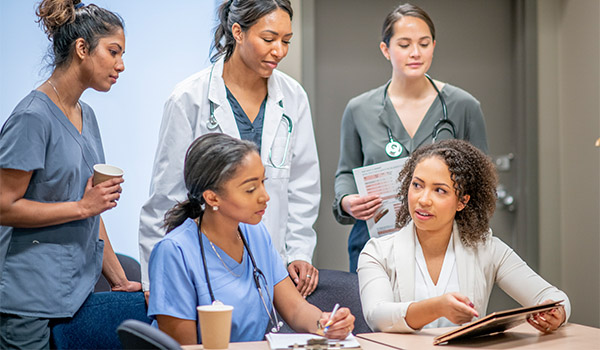
Advanced practice registered nurses perform tasks once reserved for medical doctors


Clinical Nurse Leader
Improve patient outcomes as you take on high-level leadership duties and lead healthcare facilities

Forensic Nurse
Investigate crime scenes or provide healthcare in assault cases or correctional facilities
Infection Control Nurse
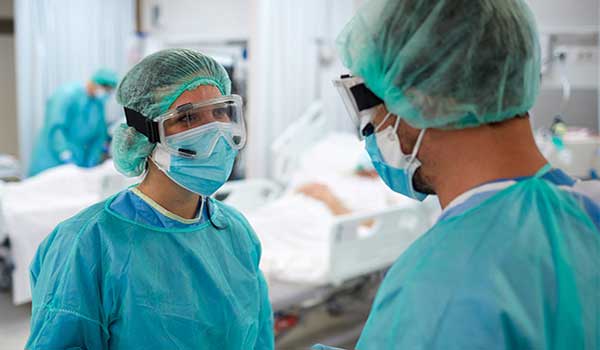
Prevent the spread of drug-resistant infections through policy-making and research

Legal Nurse Consultant
Use clinical experience and critical thinking to consult on medical issues in legal cases

Nurse Case Manager
Use your knowledge and organizational skills to coordinate all aspects of patient care

Nurse Leadership Administrator
Create positive change and improve outcomes in patient health as a nurse administrator

Occupational Health Nurse
Bring healthcare expertise and business knowledge to a wide range of workplaces


Utilization Review Nurse
Serve as a liaison between patient and insurance as a utilization review nurse
Community nursing
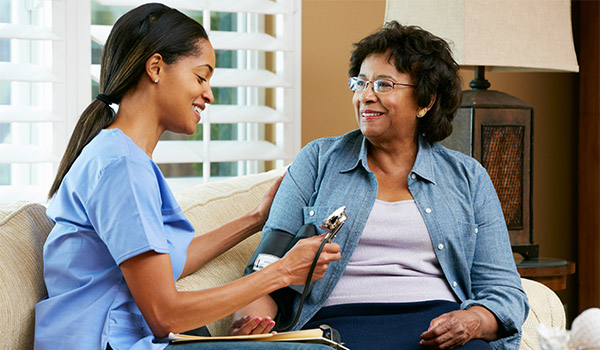
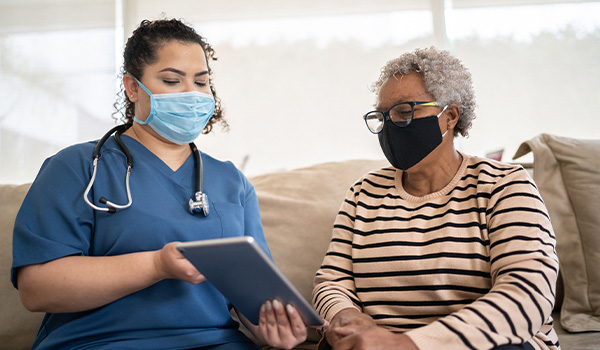
If you’re a people person and shine in the day-to-day care of those in rural, home health care, parish—and other neighborhood environments—here are some areas where you could make a difference on a personal, or community, level.
Community Health Nurse
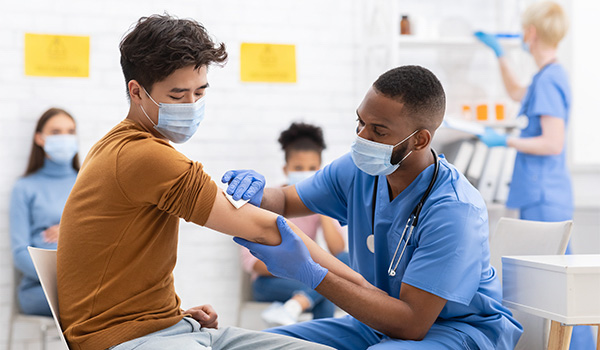
Identify health problems in the community and create intervention plans to prevent health and safety issues

Family Nurse Practitioner
Handle duties commonly performed by a physician throughout a family’s life cycle
Parish or Faith Community Nurse
Encourage physical and spiritual health and wholeness within faith communities
Emergency nursing
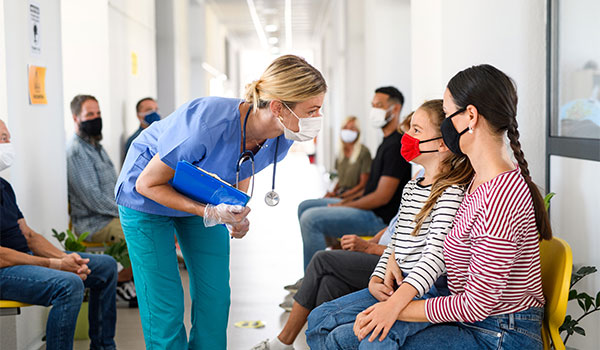
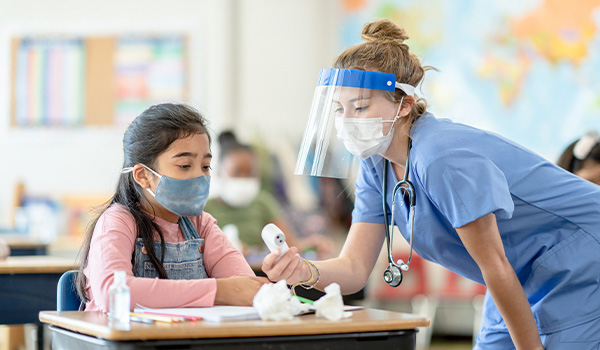
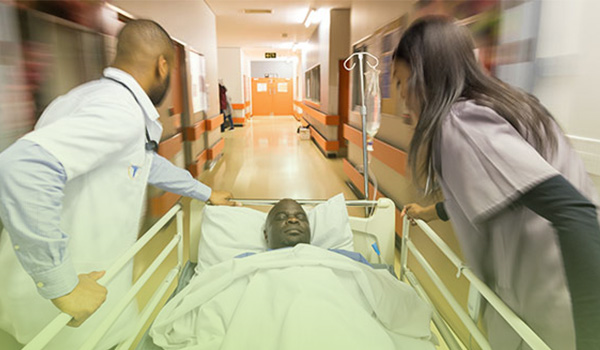
If you’d rather be on the front lines of patient care, you may choose to assist people who are dealing with trauma, intensive and time-critical injuries, illnesses and issues.

ER Nurse
Perform critical care in a fast-paced environment with patients who have acute, urgent needs
Flight Nurse
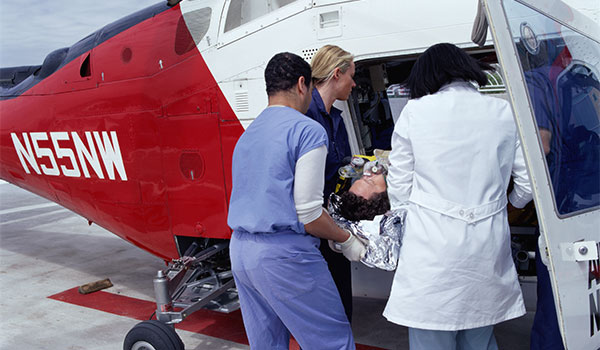
Provide medical care to patients as they’re transported by aircraft to emergency medical facilities
Geriatric and palliative care nursing
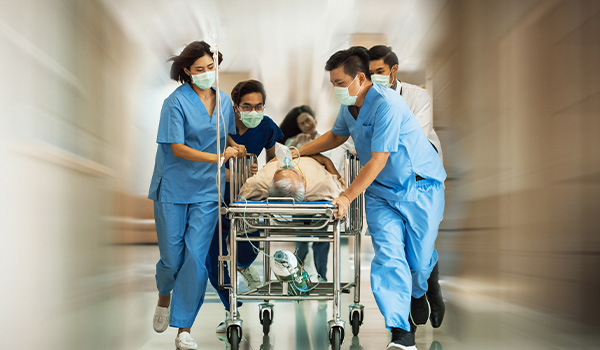
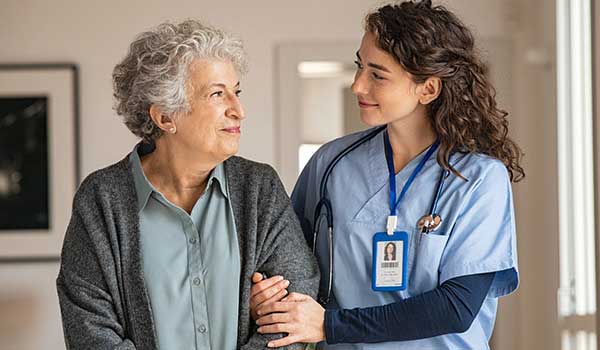
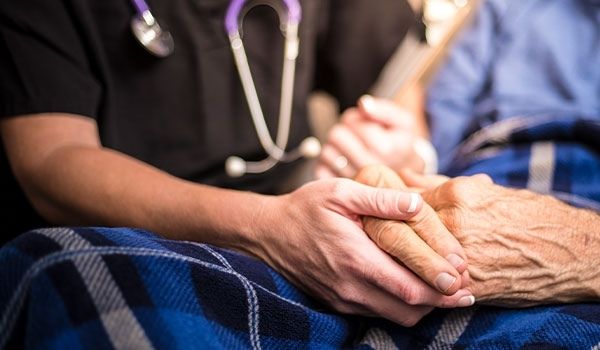
If you’re the special type of nurse or carer who brings comfort and care to elderly patients who have a unique set of health concerns or to those enduring possible end-of-life conditions, this may be a satisfying area of nursing for you.
Adult Gerontology Nurse Practitioner
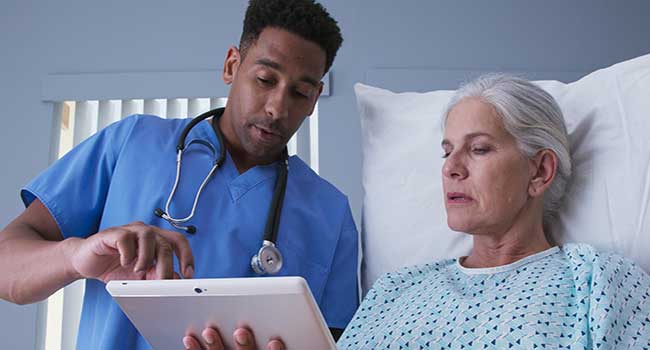
Address broader senior health and wellness issues, including food insecurity and housing
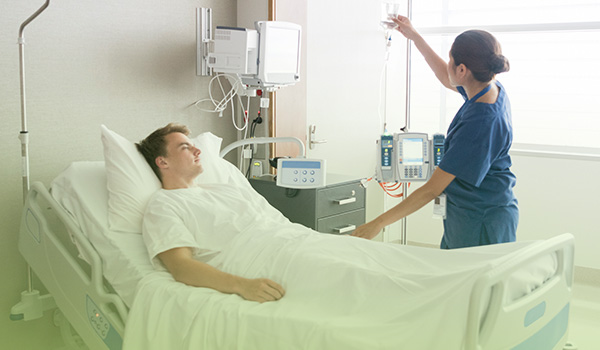
Specialized areas of nursing
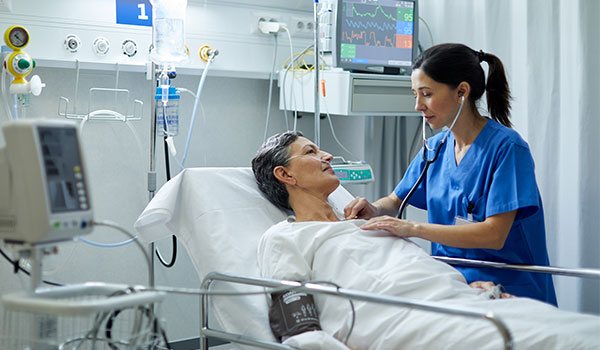
If you work better in a particular environment—think OR or med-surg—or in a specific group, such as heart patients or those dealing with rehabilitation—you might fit best in one of these specialized fields of practice.

Adult Nurse Practitioner
Promote constructive health practices and disease prevention in young and old

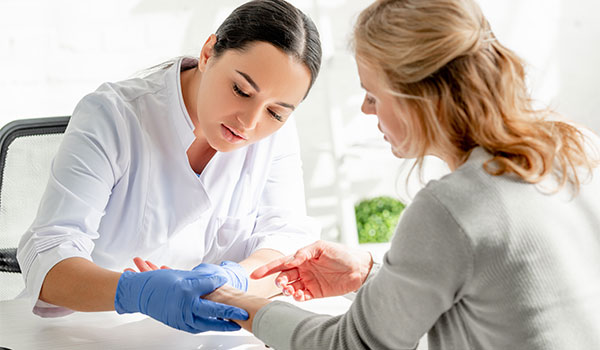
Dermatology Nurse
Work alongside dermatologists to perform procedures, treat wounds and provide patient education
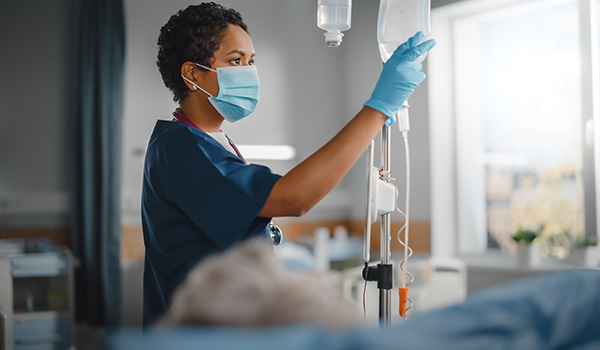
Med-Surg Nurse
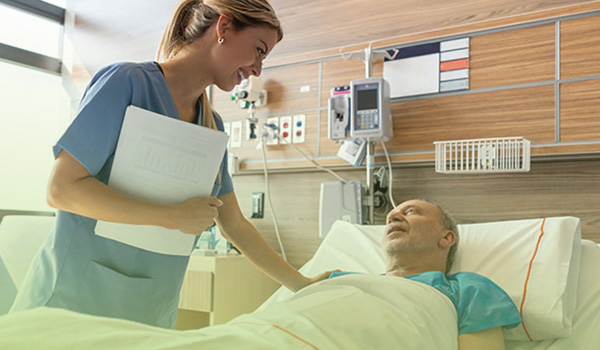
Work in hospitals caring for patients recovering from surgery, illness, emergency stays and more
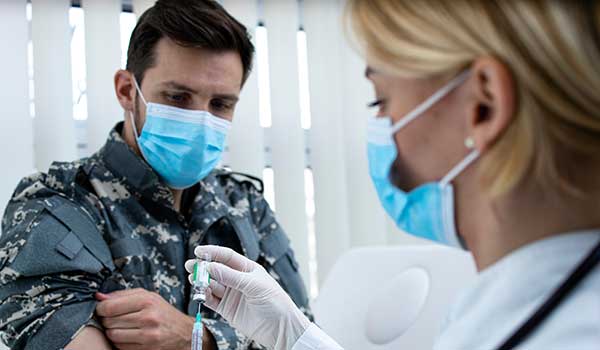
Military Nurse
Provide care in a variety of specialties to military personnel, veterans and their families
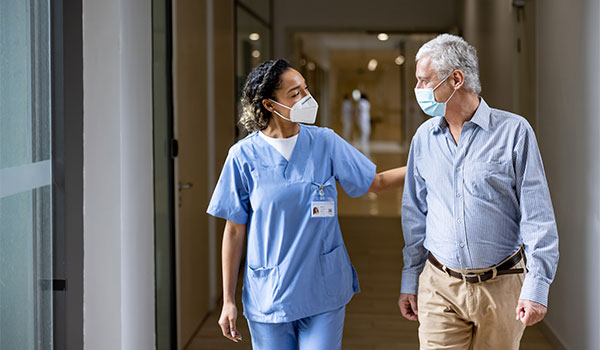


Orthopedic Nurse
Care for patients with musculoskeletal disorders and diseases, often in recovery from invasive surgeries
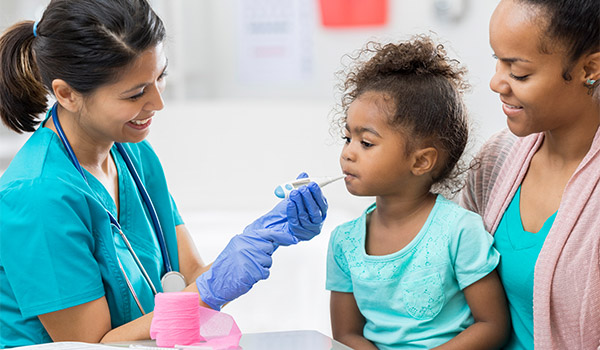
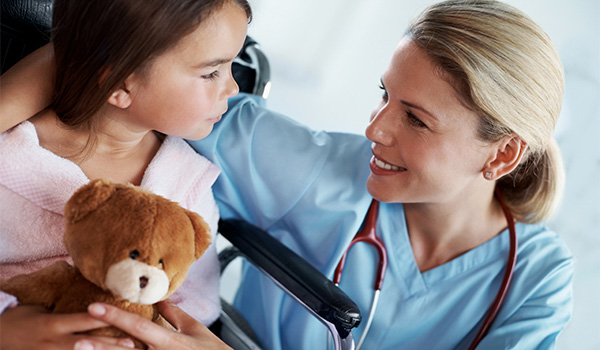

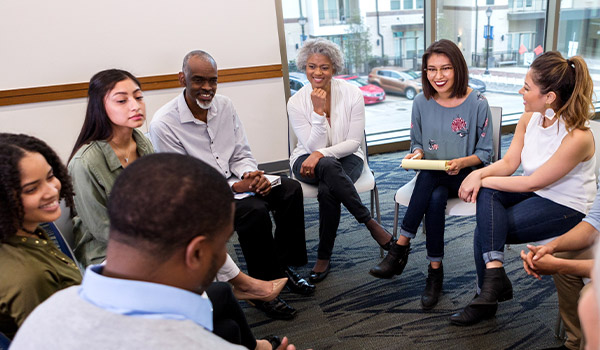
Psychiatric Nurse
Collaborate with a care team to oversee patients with a range of mental health issues
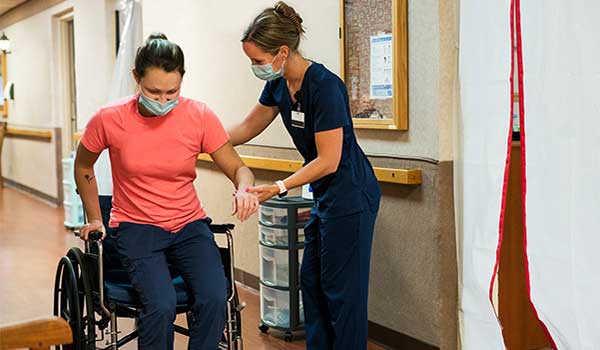

Research Nurse
Serve as liaison between researchers and patient volunteers participating in clinical trials
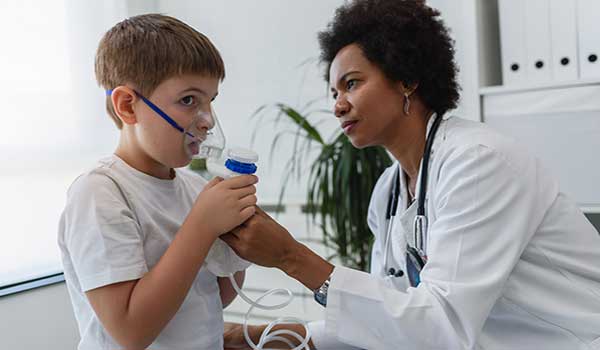
Respiratory Nurse
Treat patients with a variety of acute and chronic respiratory illnesses across the lifespan
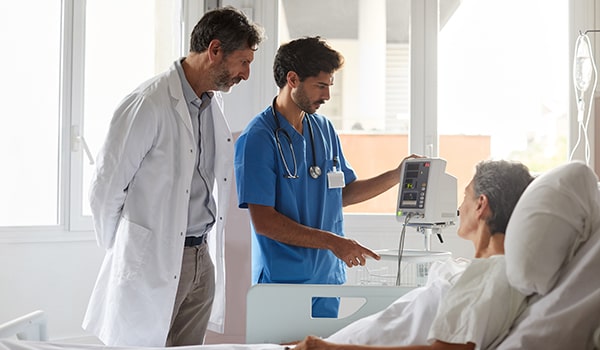
Women’s health and birth-related nursing
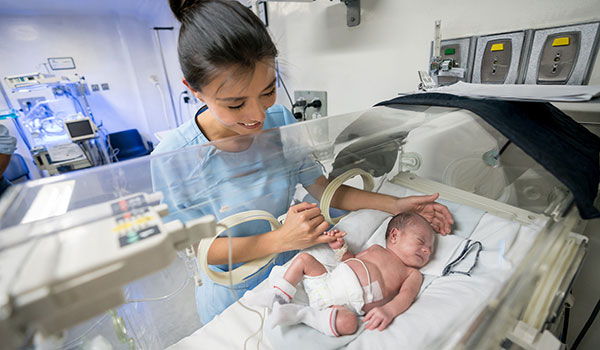
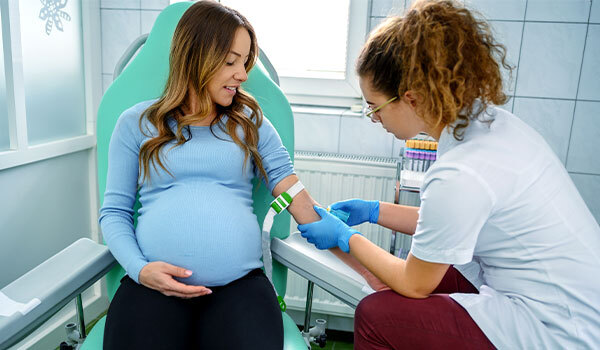
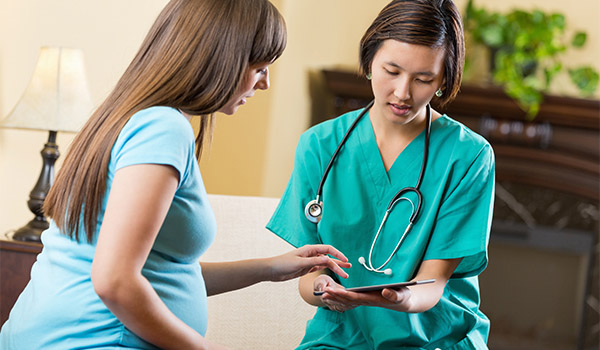
From pregnancy planning stages to birth and beyond, you’ll care for women for their routine and preventive health issues, reproductive issues and pre- and post-pregnancy wellness.
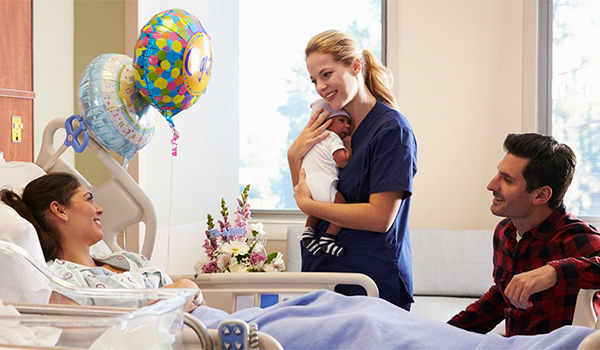
Labor and Delivery Nurse
Provide care and monitoring of expectant mothers and babies during childbirth

In-demand nursing specialties by state
Every state in the country requires nurses with certain skills and credentials to accommodate different populations, industries and needs.
These may be defined by location, geography or any number of other factors.

Nurses in Demand in North Carolina
Learn about in-demand nursing specialties in North Carolina and what these roles involve.
Start, Change or Advance Your Nursing Career
As you can see, under the broad umbrella of nursing, there are many different types of Registered Nurses (RNs), which, along with a Licensed Practical or Vocational Nurse (LPN/LVN) role, is the traditional starting place for a career in nursing. Some RN specialties include working with specific types of patients and focusing on certain conditions or working in administrative and leadership positions after going on and earning an MSN.
Many RN specialties in the fastest-growing areas of nursing will take you outside the usual settings, such as a hospital or clinic, and put you into the community or courtroom. According to American Nurse Today, the official journal of the American Nursing Association, there is a substantial movement to community-based care and an increasing number of RNs are moving into roles in public and community health. In addition, the journal reports, nurses are moving to Fortune 500 companies as organizational and occupational nurses and opening their own businesses to care for patients.
If you’re ready to start researching nursing schools that can help you apply your skills and passion for helping all kinds of people, click the Find Schools button below.